When you look in the mirror and notice lines etched across your forehead, your first thought is likely: "How do I fix this?" In the world of non-surgical aesthetics, two titans dominate the conversation: Botox and Dermal Fillers. While both are injectables designed to rejuvenate your appearance, they function in fundamentally different ways.
Choosing between Botox vs. Fillers for forehead lines depends entirely on the type of wrinkles you have and your ultimate aesthetic goals.
Understanding the Difference: How They Work
To make an informed decision, you must first understand the "Mechanism of Action" for each treatment.
https://aestheticsurgeryvietnam.com/is-botox-for-forehead-lines-effective
What is Botox?
Botox is a neurotoxin that temporarily blocks nerve signals to the muscles. When injected into the forehead, it relaxes the muscles responsible for creating expressions. By preventing the muscle from contracting, the skin above it remains smooth.
What are Dermal Fillers?
Fillers, often made of Hyaluronic Acid, do exactly what the name implies—they fill. Instead of affecting the muscle, fillers add volume directly beneath a wrinkle or a hollow area to "plump" the skin back to its original position.
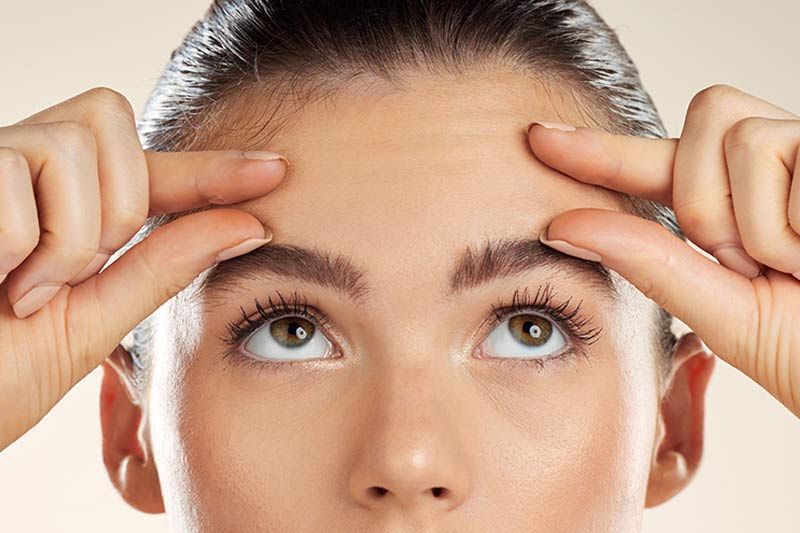
Dynamic Wrinkles vs. Static Wrinkles
The "Gold Standard" rule for choosing a treatment usually comes down to when your wrinkles appear.
- Botox is for Dynamic Wrinkles: These are lines that appear when you move your face (e.g., raising your eyebrows). If your forehead looks smooth at rest but wrinkles when you talk, Botox is your best bet.
- Fillers are for Static Wrinkles: These are deep creases that remain visible even when your face is completely relaxed. If a line has become a permanent "fold" in the skin, a filler may be needed to lift the depression.
Botox for Forehead Lines: The Preventive Power
Most practitioners recommend Botox as the primary treatment for the forehead. Since forehead lines are almost always caused by repetitive muscle movement, relaxing those muscles is the most logical solution.
Benefits of Botox:
- Quick Procedure: Often called a "lunchtime treatment," taking only 10–15 minutes.
- Preventive: It stops fine lines from turning into deep, permanent furrows.
- Natural Look: When done correctly, it provides a refreshed, "rested" appearance.
When to Consider Fillers for the Forehead
Using fillers alone in the forehead is less common but highly effective for specific cases. If you have deep, "etched-in" lines that Botox cannot fully smooth out, a thin dermal filler can be used to provide a seamless finish.
However, the forehead is a high-risk area for fillers due to the complex network of arteries. It is crucial to choose an experienced injector who understands facial anatomy to avoid complications.
https://theaestheticmuse.weebly.com/dermal-filler/how-alcohol-after-botox-can-increase-bruising-and-swelling
The Verdict: Which One Should You Choose?
In many cases, the answer isn't "one or the other," but rather a combination. This is known as a "Liquid Facelift." Botox relaxes the muscle to prevent further creasing, while a tiny amount of filler addresses any remaining deep grooves.
Consultation is Key: Before booking, ensure you consult with a licensed professional who can analyze your skin elasticity and muscle strength to create a tailored plan.
 Bất Động Sản
 Thể Thao
 Công Nghiệp
 Trang Trí Nội Thất
 Dịch Vụ
 Sách & Học Tập
 Bách Hóa
 Nhà Cửa & Đời Sống
 Thời Trang Trẻ Em
 Mẹ Bé
Mẹ Bé
 Sức Khỏe
 Sắc Đẹp
 Phụ Kiện & Trang Sức Nữ
 Túi Ví Nữ
 Giày Dép Nữ
 Thời Trang Nữ
 Ba Lô & Túi Ví Nam
 Giày Dép Nam
 Thời Trang Nam
 Chăm Sóc Thú Cưng
 Đồng Hồ
 Đồ Chơi
 Ô tô & Xe Máy & Xe Đạp
 Thiết Bị Điện Gia Dụng
 Máy Ảnh & Máy Phim
 Máy Tính & Laptop
 Điện Thoại & Phụ Kiện
 Thiết Bị Điện Tử