Planning travel around a Botox appointment is common. Knowing the safest waiting period before flying helps reduce bruising, swelling, and discomfort—and ensures you can enjoy your trip without unnecessary worry. This 2026 guide reviews expert recommendations, risk factors, and practical tips so you can decide how long to wait before boarding a plane after Botox.
Does Flying Affect Botox Effectiveness?
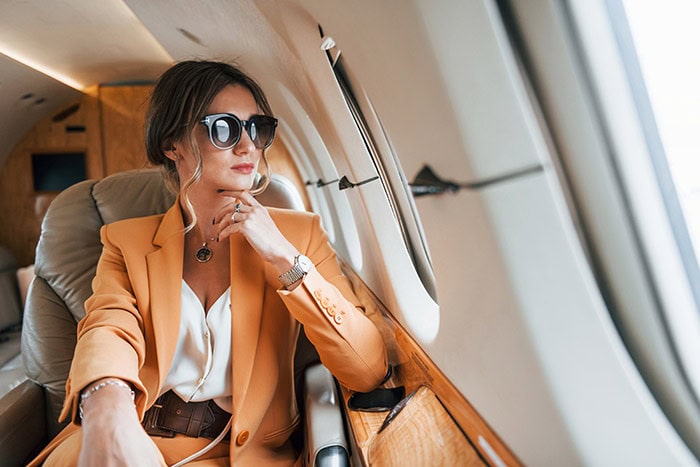
Good news: flying does not deactivate botulinum toxin or change its long‑term effectiveness. Botox works at the neuromuscular junction deep in the muscle, and standard cabin pressure or travel conditions don’t alter that biochemical action. The concerns are mainly short‑term side effects—bruising, swelling, and transient discomfort—that travel can sometimes worsen.
https://aestheticsurgeryvietnam.com/can-you-fly-after-getting-botox
Common Expert Recommendations
- Minimum: 4 hours upright. Many injectors advise staying upright for at least 4 hours after injections to reduce the (very small) theoretical risk of product migration. If you must fly the same day, remain seated and avoid lying flat for those initial hours. - Recommended: 24 hours. Waiting 24 hours before flying is the safer standard for most patients. This window allows early swelling and redness to subside and reduces the likelihood that cabin conditions will exacerbate immediate side effects. - Conservative: 48–72 hours. Patients who bruise easily, are on blood‑thinning medications, received multiple injections, or had combined procedures should consider waiting 48–72 hours or consulting their provider before travel.
Why These Timeframes Matter
- Upright positioning: Lying flat too soon after treatment may theoretically increase migration risk; staying upright for several hours helps the product settle. - Dehydration: Air travel is dehydrating; dehydration can make swelling and discomfort more noticeable. Hydration before and during flights reduces this. - Cabin pressure and swelling: Changes in cabin pressure and prolonged immobility can slightly influence tissue swelling—more noticeable when injections are recent. - Access to care: If a complication occurs, traveling may limit prompt access to your injector. Allowing time for initial recovery reduces likelihood of needing urgent care while away.
Risk Factors That Require Extra Caution
- Use of anticoagulants, antiplatelet medications, or supplements that increase bleeding (e.g., high‑dose fish oil, vitamin E). - Personal history of easy bruising or bleeding disorders. - Multiple or extensive injection sites (e.g., full facial treatment, masseter plus forehead). - Combined procedures (fillers, microneedling, lasers) during the same visit. If any of these apply, discuss timing with your provider and consider delaying flights for a longer recovery period.
Practical Tips for Flying After Botox
- Hydrate well: Drink water before and during the flight to counteract cabin dehydration. - Avoid alcohol: Refrain from alcohol for at least 24 hours—ideally 48–72 hours if you bruise easily—since alcohol can increase bleeding and swelling. - Stay upright for at least 4 hours: Schedule injections so you can remain seated and minimize reclining soon after treatment. - Use cold compresses: Apply gentle cold packs intermittently in the first 24 hours to reduce swelling—avoid direct pressure over injection sites. - Move periodically: On longer flights, stand and walk occasionally to reduce stiffness; avoid strenuous movement that raises blood pressure. - Pack aftercare: Bring arnica (oral or topical) if recommended, a soft towel, and contact info for your provider.
When to Contact Your Provider
Seek medical advice if you experience severe or rapidly expanding bruising, increasing pain, fever, pus (signs of infection), or unexpected muscle weakness (e.g., drooping eyelid, difficulty swallowing). These are uncommon but require prompt evaluation. If traveling internationally, note local emergency resources and inform your injector of your travel plans.
Scheduling Advice
- For short trips, schedule Botox at least 24 hours before flying. - For long trips, extensive treatments, or events, plan injections 1–2 weeks in advance to allow bruising to resolve. - When in doubt, consult your injector—personalized guidance should factor your medical history, medications, treatment extent, and travel details.
https://blogbeauty.tumblr.com/post/812208124344795136/factors-that-determine-how-many-units-of-botox-do
Conclusion
“How long should you wait to fly after Botox?” — aim for a minimum of 4 hours upright, a safer standard of 24 hours, and 48–72 hours for higher‑risk situations. Stay hydrated, avoid alcohol, and follow your provider’s personalized instructions to ensure a smooth recovery and protect your results while traveling. Would you like a printable post‑Botox travel checklist for your next trip?
 Bất Động Sản
 Thể Thao
 Công Nghiệp
 Trang Trí Nội Thất
 Dịch Vụ
 Sách & Học Tập
 Bách Hóa
 Nhà Cửa & Đời Sống
 Thời Trang Trẻ Em
 Mẹ Bé
Mẹ Bé
 Sức Khỏe
 Sắc Đẹp
 Phụ Kiện & Trang Sức Nữ
 Túi Ví Nữ
 Giày Dép Nữ
 Thời Trang Nữ
 Ba Lô & Túi Ví Nam
 Giày Dép Nam
 Thời Trang Nam
 Chăm Sóc Thú Cưng
 Đồng Hồ
 Đồ Chơi
 Ô tô & Xe Máy & Xe Đạp
 Thiết Bị Điện Gia Dụng
 Máy Ảnh & Máy Phim
 Máy Tính & Laptop
 Điện Thoại & Phụ Kiện
 Thiết Bị Điện Tử