Masseter Botox is widely used to slim the lower face, treat bruxism, and reduce jaw tension. A common patient concern is whether weakening the masseter muscle can lead to jowling or sagging along the jawline. This SEO‑optimized article explains the anatomy, summarizes expert opinions, outlines risk factors, and provides prevention and treatment strategies to minimize the chance of jowls after masseter Botox.
Understanding the Masseter and Jawline Anatomy
The masseter is a powerful chewing muscle that sits over the posterior aspect of the jaw. It contributes to facial width rather than directly supporting the skin. Jowls form when soft tissues and fat along the jawline descend due to aging, skin laxity, and loss of structural support from deeper tissues. While the masseter plays a role in facial contour, jowling is primarily driven by skin elasticity, ligament attenuation, and fat pad descent.
https://aestheticsurgeryvietnam.com/does-masseter-botox-cause-jowls-in-the-cheek-area
Can Masseter Botox Cause Jowls?
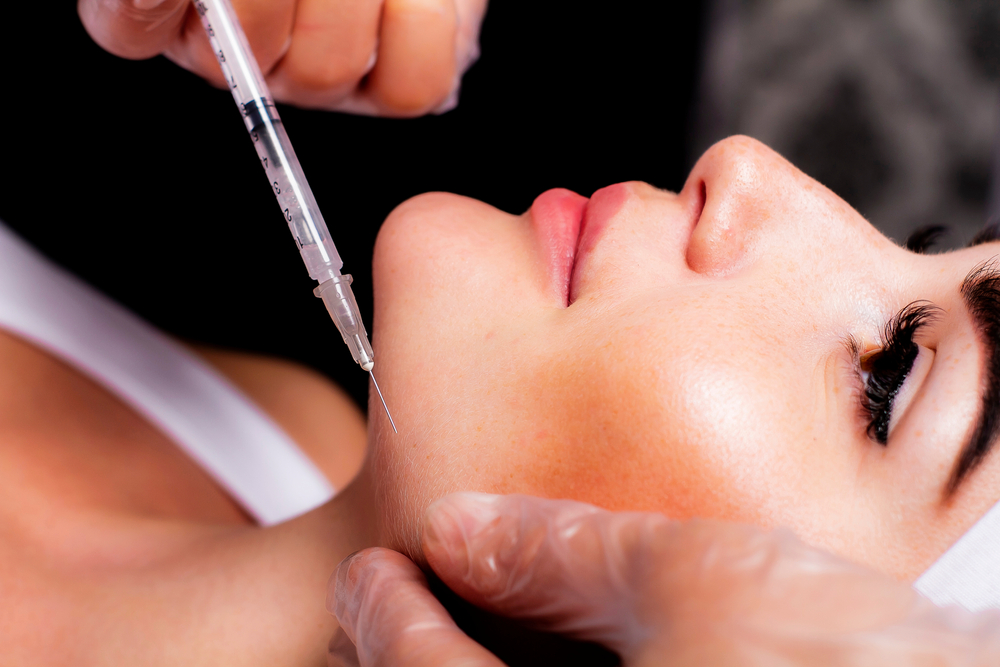
- Short answer: It can, but it’s not common when injections are done correctly. - Mechanism: Over‑weakening the masseter may subtly alter facial balance and resting muscle tone. In some patients, adjacent muscles (e.g., depressor anguli or platysma) or soft tissues may become more apparent, which can unmask preexisting sagging or create a perception of jowling. - Patient variability: Those with thinner skin, significant age‑related laxity, or preexisting jawline descent are at higher risk of noticing jowl formation after masseter reduction.
Expert Insights
- Experienced injectors emphasize assessment: Clinicians recommend detailed facial analysis before treatment to evaluate skin quality, bone structure, fat distribution, and dynamic muscle interactions. - Conservative dosing: Experts often start with a conservative dose and schedule follow‑up to adjust strength as needed. Gradual reduction minimizes abrupt contour changes and allows soft tissues to adapt. - Combination approaches: Many practitioners use a multimodal plan—combining masseter Botox with lifting or volumizing treatments (fillers, PDO threads, skin tightening) when indicated—to preserve overall facial harmony.
Risk Factors That Increase Jowl Likelihood
- Advanced skin laxity and age‑related volume loss. - Prior facial weight loss that reduced subcutaneous fat and support. - Aggressive dosing or large‑volume weakening of the masseter in one session. - Lack of pre‑treatment assessment for dynamic facial balance and neighboring muscle function.
Prevention Strategies
- Thorough consultation: Choose an experienced injector who evaluates facial proportions, skin quality, and the degree of laxity. Ask for a staged treatment plan. - Start low and review: Begin with a conservative dose and reassess at 4–8 weeks. Additional units can be added in later sessions if needed. - Consider adjunctive therapies: For patients with mild jowling risk, combine Botox with dermal fillers to restore lost volume, non‑surgical skin tightening (radiofrequency, ultrasound), or thread lifts to support the jawline. - Maintenance and monitoring: Regular follow‑ups help detect early changes so interventions can be timed to prevent progressive jowling.
Treatment Options if Jowls Appear
- Dermal fillers: Strategic placement along the prejowl sulcus and jawline can restore contour and camouflage descent. - Energy‑based skin tightening: Radiofrequency or HIFU treatments may improve collagen and skin laxity over several months. - Thread lifts and minor surgical options: For more pronounced jowling, minimally invasive thread lifts or surgical rhytidectomy can provide stronger structural support. - Botox adjustments: If over‑weakening is suspected, future dosing can be reduced to allow partial muscle recovery and re‑balance facial dynamics.
https://theaestheticmuse.weebly.com/dermal-filler/how-often-do-you-have-to-do-botox-for-forehead-and-eye-wrinkles
When to See a Specialist
Consult a board‑certified dermatologist, plastic surgeon, or an experienced facial injector if you notice new asymmetry, progressive jowling, or functional changes after treatment. Early evaluation allows tailored interventions and often simplifies correction.
Conclusion
“Does masseter Botox cause jowls?” — While masseter Botox can reveal or, rarely, contribute to jawline descent in susceptible patients, careful assessment, conservative dosing, and combination strategies significantly reduce this risk. Work with an experienced provider who considers facial anatomy and a staged plan to achieve slimming benefits without compromising jawline support. Would you like a printable consultation checklist to bring to your injector?
 Bất Động Sản
 Thể Thao
 Công Nghiệp
 Trang Trí Nội Thất
 Dịch Vụ
 Sách & Học Tập
 Bách Hóa
 Nhà Cửa & Đời Sống
 Thời Trang Trẻ Em
 Mẹ Bé
Mẹ Bé
 Sức Khỏe
 Sắc Đẹp
 Phụ Kiện & Trang Sức Nữ
 Túi Ví Nữ
 Giày Dép Nữ
 Thời Trang Nữ
 Ba Lô & Túi Ví Nam
 Giày Dép Nam
 Thời Trang Nam
 Chăm Sóc Thú Cưng
 Đồng Hồ
 Đồ Chơi
 Ô tô & Xe Máy & Xe Đạp
 Thiết Bị Điện Gia Dụng
 Máy Ảnh & Máy Phim
 Máy Tính & Laptop
 Điện Thoại & Phụ Kiện
 Thiết Bị Điện Tử