Many patients worry that returning to the gym too soon after Botox injections could spoil their results. Exercise increases heart rate, blood flow, and facial muscle activity — factors that can influence bruising, swelling, and the theoretical risk of product migration. This SEO‑optimized guide explains the science behind those risks, outlines which workouts to avoid, and provides practical aftercare to protect your outcome.
How Exercise Affects Botox
Botox (onabotulinumtoxinA) works by blocking neurotransmitter release at the neuromuscular junction. Immediately after injection, microdroplets of product remain in the local tissue before uptake. Strenuous exercise raises systemic blood pressure and local blood flow, which can increase capillary leakage and bruising at injection sites. In theory, higher interstitial fluid pressure and vigorous facial movements could slightly alter early product distribution, so cautious post‑treatment behavior is advised.
https://aestheticsurgeryvietnam.com/botox-working-out-after
Can Working Out Actually Ruin Results?
Direct evidence that exercise ruins Botox results is limited. Most unwanted outcomes after exercise are temporary — increased bruising, swelling, or soreness rather than permanent treatment failure. However, extreme or immediate strenuous activity may heighten the chance of early diffusion or hematoma formation, which can alter the appearance temporarily and delay assessment of final results. Following recommended waiting periods minimizes these risks.
How Long to Wait Before Resuming Exercise
- Minimum: 24 hours. Most clinicians advise avoiding vigorous exercise for at least 24 hours after Botox to reduce swelling and bruising risk. - Preferred: 48 hours. Waiting 48 hours is safer for patients who bruise easily, are on blood thinners, or had multiple injection sites. - Conservative: 72 hours. After combined procedures (fillers, microneedling, lasers) or extensive facial work, providers may recommend refraining from intense exercise for 72 hours to optimize healing.
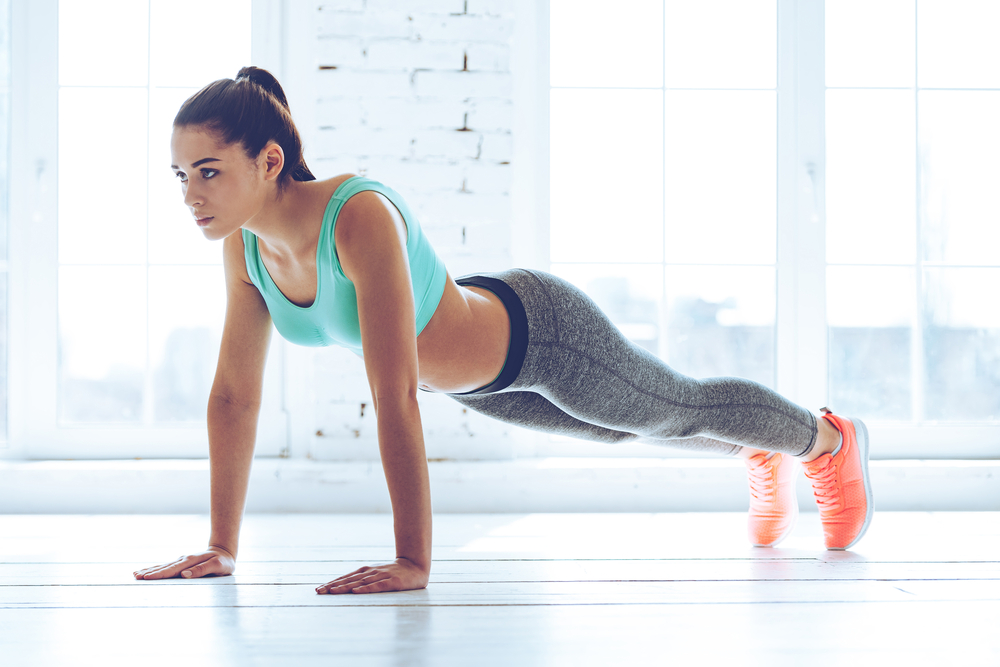
Exercises to Avoid Immediately After Botox
- High‑intensity interval training (HIIT), sprinting, and vigorous cardio — these raise heart rate and blood pressure markedly. - Heavy resistance training (heavy squats, deadlifts, maximal lifts) — large increases in intrathoracic and venous pressure can worsen facial swelling and bruising. - Hot yoga, Bikram, saunas, and steam rooms — prolonged heat exposure causes vasodilation and may increase swelling. - Activities involving facial contact or risk of trauma (sparring, contact sports) — direct impact can cause hematoma or displace product through mechanical force. - Inverted poses or exercises requiring sustained head‑down positions — these alter facial blood flow and can increase the chance of bruising.
Low‑Risk Activities You Can Do Sooner
- Light walking or gentle cycling at an easy pace — usually safe within hours after treatment for most patients. - Gentle stretching, low‑intensity yoga (avoid inversions), and light household activities — typically acceptable after the first day. - Low‑intensity stationary cardio — consider waiting 24 hours if you had facial injections or combined treatments.
Practical Aftercare for Active People
- Avoid strenuous exercise for at least 24 hours; extend to 48–72 hours when advised. - Do not rub, massage, or press treated areas before or after workouts. - Stay hydrated and avoid alcohol for 24–48 hours to minimize bruising risk. - Use brief cold compresses intermittently to control swelling — do not apply firm pressure. - Sleep with your head elevated the first night if recommended to reduce edema. - Inform your trainer or workout partner that you’ve had injections to avoid activities that risk face contact.
https://theaestheticmuse.weebly.com/dermal-filler/botox-nose-lift-what-to-expect-and-how-long-results-last
When to Contact Your Provider
Seek medical advice if you develop expanding bruises, severe pain, signs of infection (fever, pus, spreading redness), or unexpected muscle weakness such as drooping eyelids or facial asymmetry. Early evaluation can address complications and protect long‑term outcomes.
Conclusion
“Can working out after Botox ruin your results?” — while exercise is unlikely to permanently ruin Botox, immediate strenuous activity raises the risk of bruising, swelling, and temporary diffusion that can affect early appearance. Wait at least 24 hours before intense workouts, prefer 48–72 hours in higher‑risk situations, avoid heat and heavy lifting, and follow gentle activity guidelines to ensure optimal and predictable results. Would you like a printable post‑Botox exercise timeline to keep in your gym bag?
 Bất Động Sản
 Thể Thao
 Công Nghiệp
 Trang Trí Nội Thất
 Dịch Vụ
 Sách & Học Tập
 Bách Hóa
 Nhà Cửa & Đời Sống
 Thời Trang Trẻ Em
 Mẹ Bé
Mẹ Bé
 Sức Khỏe
 Sắc Đẹp
 Phụ Kiện & Trang Sức Nữ
 Túi Ví Nữ
 Giày Dép Nữ
 Thời Trang Nữ
 Ba Lô & Túi Ví Nam
 Giày Dép Nam
 Thời Trang Nam
 Chăm Sóc Thú Cưng
 Đồng Hồ
 Đồ Chơi
 Ô tô & Xe Máy & Xe Đạp
 Thiết Bị Điện Gia Dụng
 Máy Ảnh & Máy Phim
 Máy Tính & Laptop
 Điện Thoại & Phụ Kiện
 Thiết Bị Điện Tử